
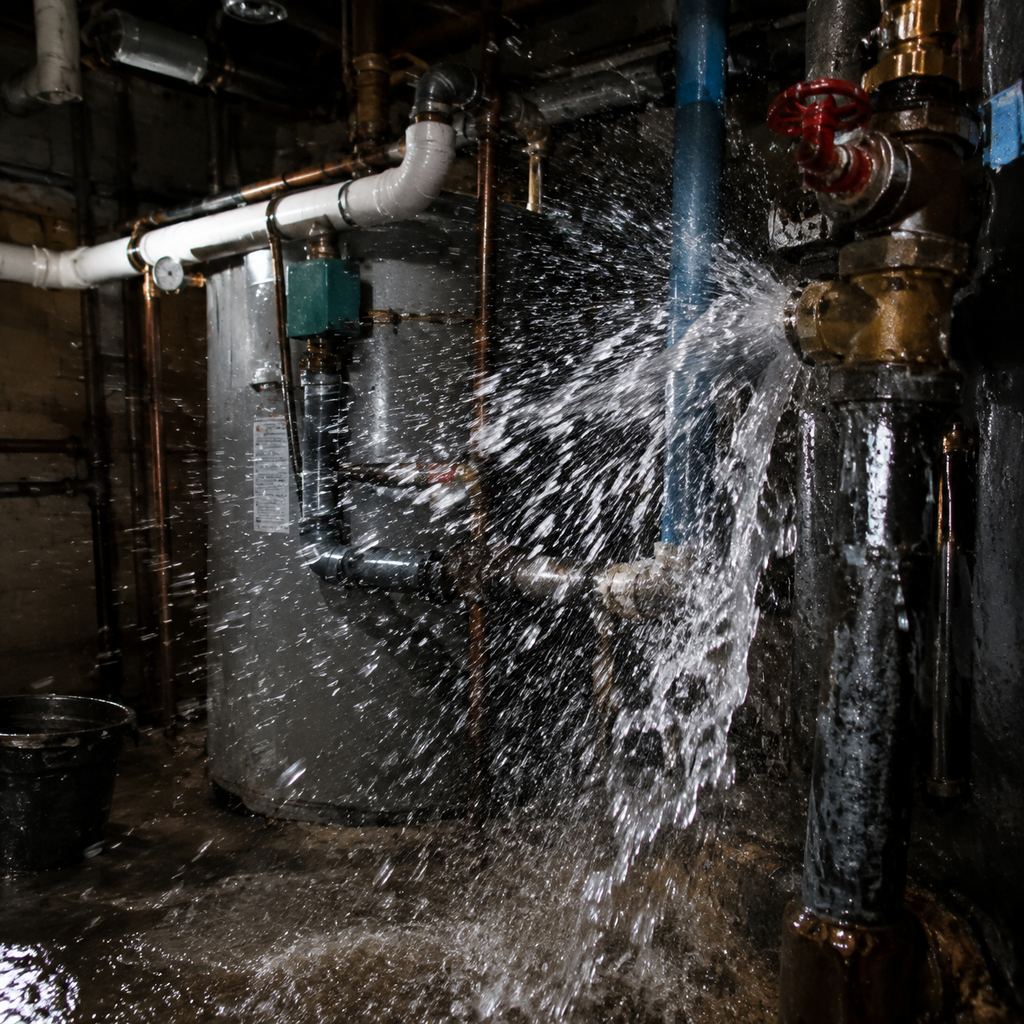
What Should I Do Right After a Flash Flood or Burst Pipe in Southern Utah?
Water doesn’t wait. Whether a monsoon flash flood pushed runoff into your garage or a frozen pipe split open in the middle of the night, the first 24 to 48 hours decide how bad the damage gets. Act quickly and you can often save your flooring, drywall, and belongings. Wait, and you’re looking at warped floors, swollen cabinets, and mold.
Here’s what Southern Utah homeowners and property managers should do, step by step, from St. George to Cedar City to Kanab.
Why Water Damage Is a Real Risk in Southern Utah
Our desert climate fools people into thinking water damage happens elsewhere. In reality, Southern Utah has its own set of risks:
- Monsoon season flash floods. Summer storms can dump a lot of water in a short time, and our dry, compacted soil sheds it instead of absorbing it. Washes, streets, and low-lying properties fill fast.
- Winter freezes. Overnight temperatures can drop below freezing in St. George, Hurricane, and especially higher-elevation areas like Cedar City. Pipes in exterior walls, attics, and crawl spaces can freeze and burst.
- Aging plumbing and appliances. Water heaters, washing machine hoses, and supply lines fail year-round, and a slow leak can run for days before anyone notices.
10 Steps to Take Right After a Flood or Burst Pipe
1. Put safety first
Don’t walk into standing water if electricity may be involved. If water is touching outlets, appliances, or your electrical panel, stay out and call a licensed electrician or your utility company. If you smell gas or see structural damage, leave the home and call 911.
2. Stop the water at the source
For a burst pipe, shut off your home’s main water valve right away. Know where it is before you need it. If a water heater or appliance is the culprit, shut off the supply line to that fixture. For flash flooding, the source can’t be stopped, so move on to the next steps once it’s safe.
3. Turn off the electricity (only if it’s safe)
If you can reach your breaker panel without stepping through water, switch off power to the affected areas. If you can’t reach it safely, don’t try. Call a professional.
4. Document everything before you touch anything
Take photos and video of the damage, the water line, damaged belongings, and the source of the leak if you can see it. This documentation is the foundation of your insurance claim, so be thorough.
5. Call your insurance company
Report the loss as soon as possible and ask what your policy covers. Many policies cover sudden and accidental water damage, such as a burst pipe, but flood damage from rising surface water often requires separate flood insurance. Ask your agent directly so you know where you stand.
6. Call a professional restoration company
Water damage is time-sensitive, and professionals bring truck-mounted extraction equipment, industrial dehumidifiers, and moisture meters that find water hiding in walls and subfloors. Calling early gets drying started before secondary damage sets in.
7. Remove standing water and excess moisture
If it’s safe and the water is clean (like a supply line leak), you can start with towels, mops, and a wet/dry vacuum. Move rugs, furniture, and valuables to a dry area. Be cautious with floodwater, which is considered contaminated and should be handled by professionals.
8. Protect your belongings
Lift furniture off wet carpet and place foil or plastic under the legs to prevent staining. Move electronics, important papers, and photos to a dry, elevated space. Take out anything that can’t be saved to help the drying process.
9. Start airflow, but don’t rely on it alone
Open windows if the weather allows and run fans to move air. Household fans help, but they usually can’t dry out wall cavities, insulation, and subflooring. That’s where professional drying equipment matters.
10. Avoid common mistakes
- Don’t use a regular household vacuum on wet carpet.
- Don’t turn on ceiling fixtures if the ceiling is sagging or wet.
- Don’t assume it’s dry because the surface feels dry.
- Don’t throw away damaged materials before documenting them.
How Fast Does Mold Start After a Flood?
Mold can begin growing within 24 to 48 hours in damp conditions, even in the desert. Wet drywall, insulation, and carpet padding give it everything it needs. This is why quick drying and professional moisture detection matter so much. If you notice a musty smell, visible spots, or water stains that keep returning, it’s time to have the area inspected.
Flood Water vs. Pipe Water: Why the Type Matters
Not all water is equal, and the category affects how it should be cleaned:
- Clean water comes from a broken supply line or a leaking faucet.
- Gray water comes from washing machines, dishwashers, or toilet overflows with no waste.
- Black water comes from sewage backups and flash flooding, and can contain bacteria and contaminants.
Flash flood water almost always falls into the black water category, because it picks up soil, debris, and whatever else is in its path. Porous materials that touch it, like carpet and padding, generally need to be removed, not cleaned.
Frequently Asked Questions
How soon should I call a restoration company after a burst pipe?
As soon as the water is shut off and you’re safe. Water damage worsens by the hour, and starting extraction and drying within the first 24 hours gives you the best chance of saving flooring, drywall, and belongings.
According to the IICRC which sets the National Standard for Remediation services you can access a pdf here https://336844.us17.myftpupload.com/wp-content/uploads/2020/12/012919_BurstPipes.pdf that can give you a step by step process of what to do in a water emergency.
Can I clean up flood water myself?
Small clean-water leaks can sometimes be handled by homeowners. Flash flood water, sewage, or anything that has soaked into walls and flooring should be handled by trained professionals with the right protective gear and equipment. Reach out to us at https://elevatecleaningut.com/prompt-fire-and-flood-restoration-services/ or give us a call and we can assess the damage and work on the cleanup.
Does homeowners insurance cover flash flooding in Utah?
Standard homeowners policies typically cover sudden and accidental water damage, like a burst pipe, but usually exclude flood damage from outside water. Flood coverage is generally a separate policy. Check with your insurance agent to confirm what your policy includes.
How long does it take to dry out a home after water damage?
Most drying jobs take about three to five days, depending on the size of the area, the type of materials, and how long the water sat. Professionals monitor moisture levels daily to confirm everything is fully dry.
Will my carpet and hardwood floors be ruined?
Not always. Quick action can save many floors, especially after clean-water leaks. Carpet padding is often replaced, while hardwood can sometimes be dried in place. A moisture inspection tells you what can be saved.
What if I find mold after a water event?
Don’t disturb it or try to bleach large areas. Mold needs to be properly contained and removed so spores don’t spread through your home. A professional can test, contain, and remediate it.
Need Help Right Now? We’re Local and Ready to Respond
If you’re dealing with a flood or burst pipe anywhere in Southern Utah, don’t wait. Our team provides emergency water removal, structural drying, and full restoration for homes and businesses in St. George, Washington, Hurricane, Cedar City, Kanab, and surrounding communities.
Call 435-691-0748 now for a fast response, or request service online.
We’ll work with your insurance company, document the damage, and get your property back to normal.